From Farm to Cup: My First Coffee Origin Visit to Honduras
By Chris Scott

Our Coffee Buyer, Chris, recently returned from a visit to Honduras – one of the key origins in our coffee portfolio.
During the trip, Chris met farmers, cooperatives and exporters to gain first-hand insight into how coffee is grown and processed. Below, he shares his experience from the visit in his own words.
In early February 2026, I travelled to Honduras – one of the key origins in the Ringtons coffee portfolio and the source of beans used in several of our blends, including those in our House, Fortissimo, Fairtrade and Triple Impact ranges.
This trip was a milestone for me personally. It was both my first solo visit to origin and my first time travelling to Central America. The goal was to gain a deeper understanding of how Honduran coffee moves through the supply chain – from tree to export – and to meet the farmers, cooperatives and exporters who make it possible.
Over the course of the week I visited farms, cooperatives and processing mills across several coffee-growing regions. It was an invaluable opportunity to see first-hand the work that goes into producing high-quality coffee and to better understand the challenges facing the industry.
I’m also proud to say all coffee we buy from Honduras is purchased in line with the Global Coffee Platforms sustainability code. It was impressive to see the positive impact the programs are having on the fight against climate change, whilst also improving farmer livelihoods and the overall quality of the coffee.

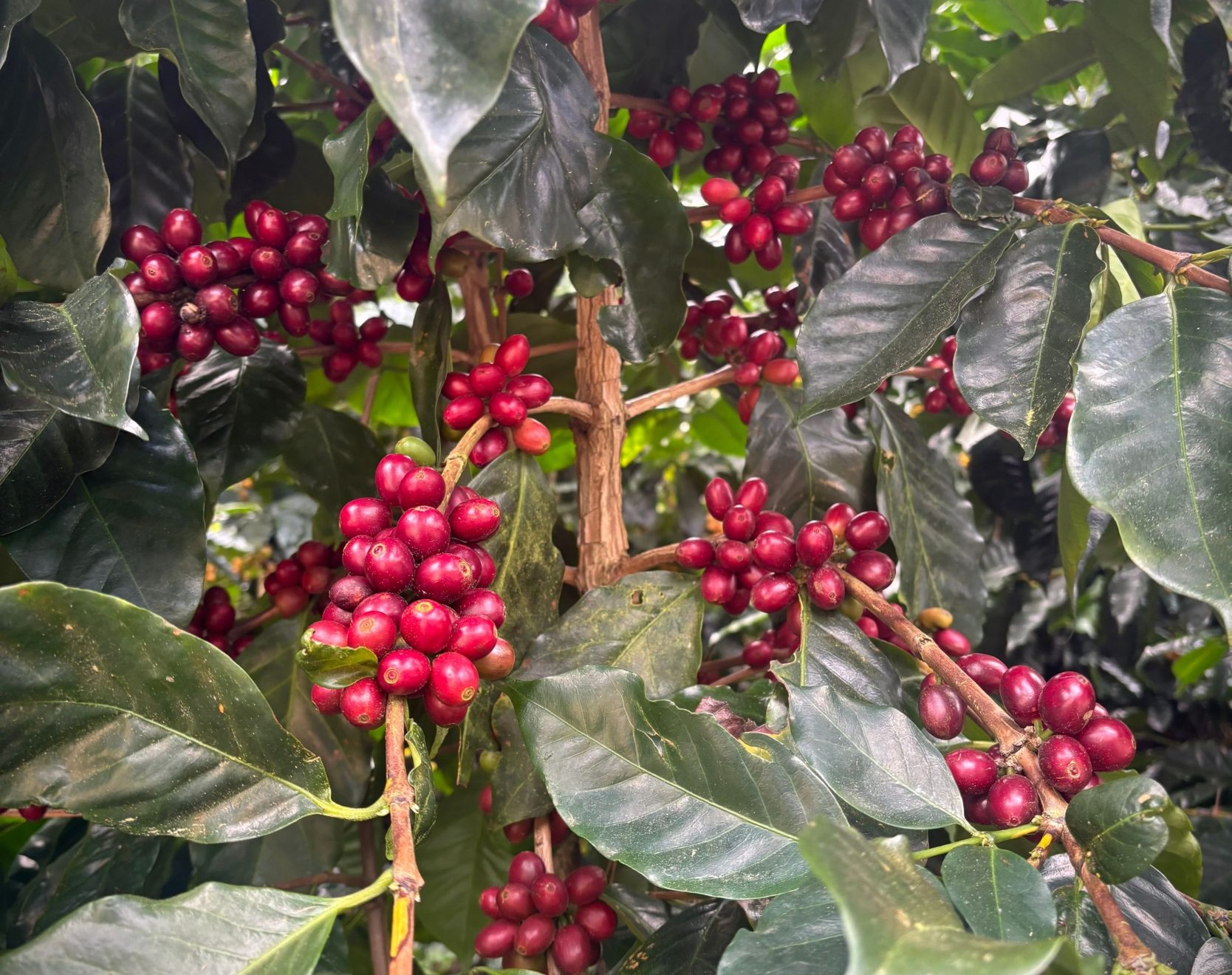
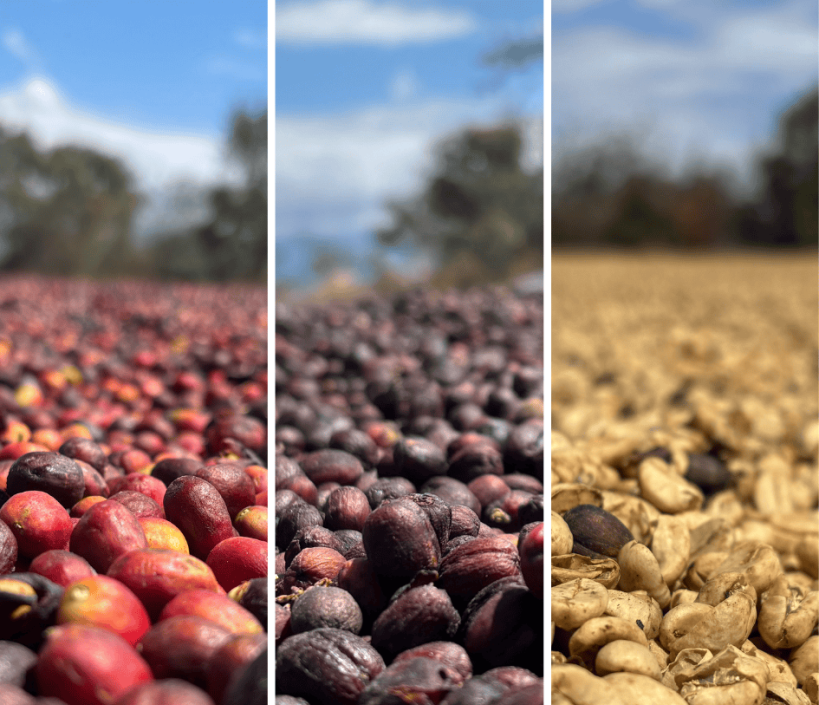
Cherries
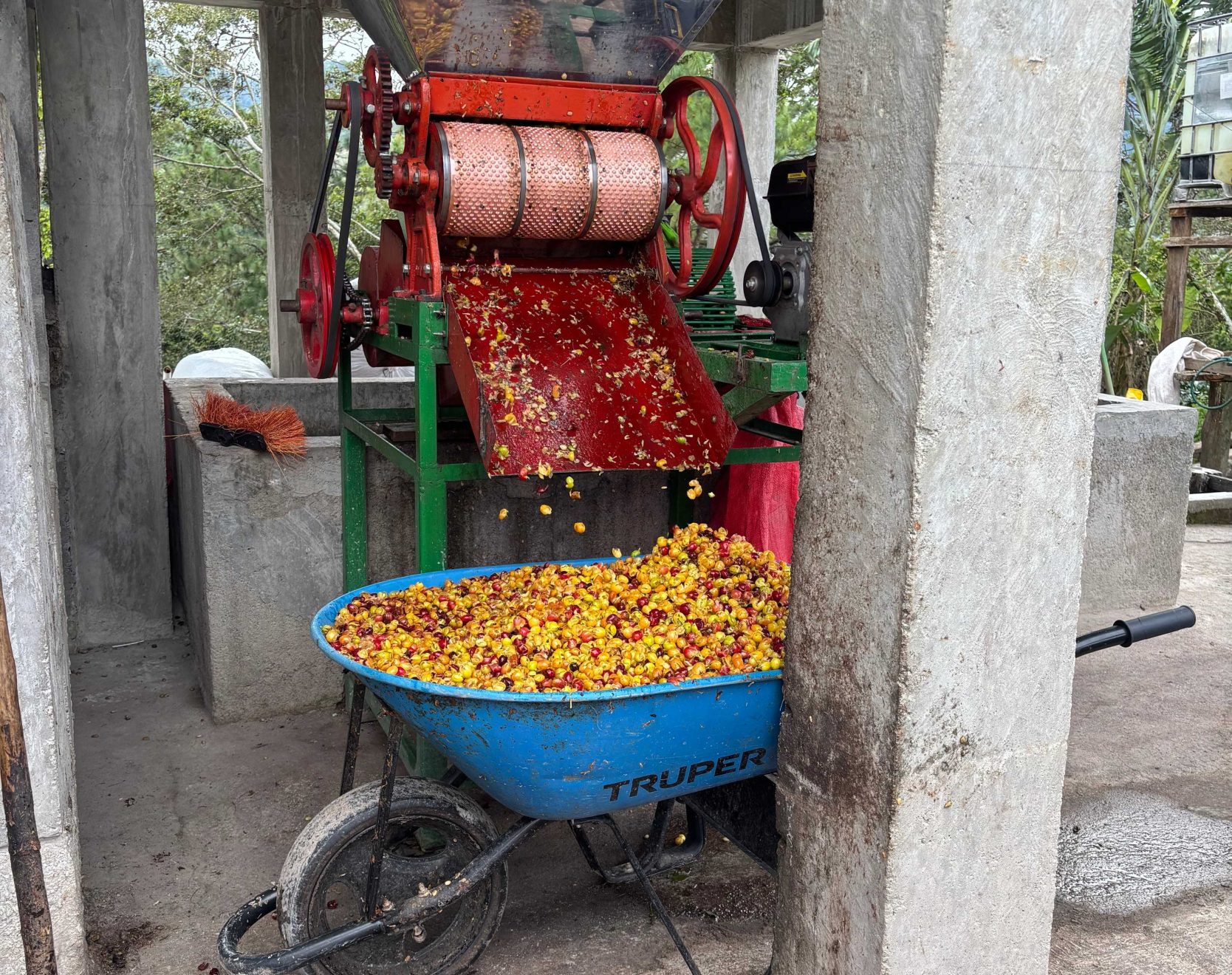
Cherry Pulping Station
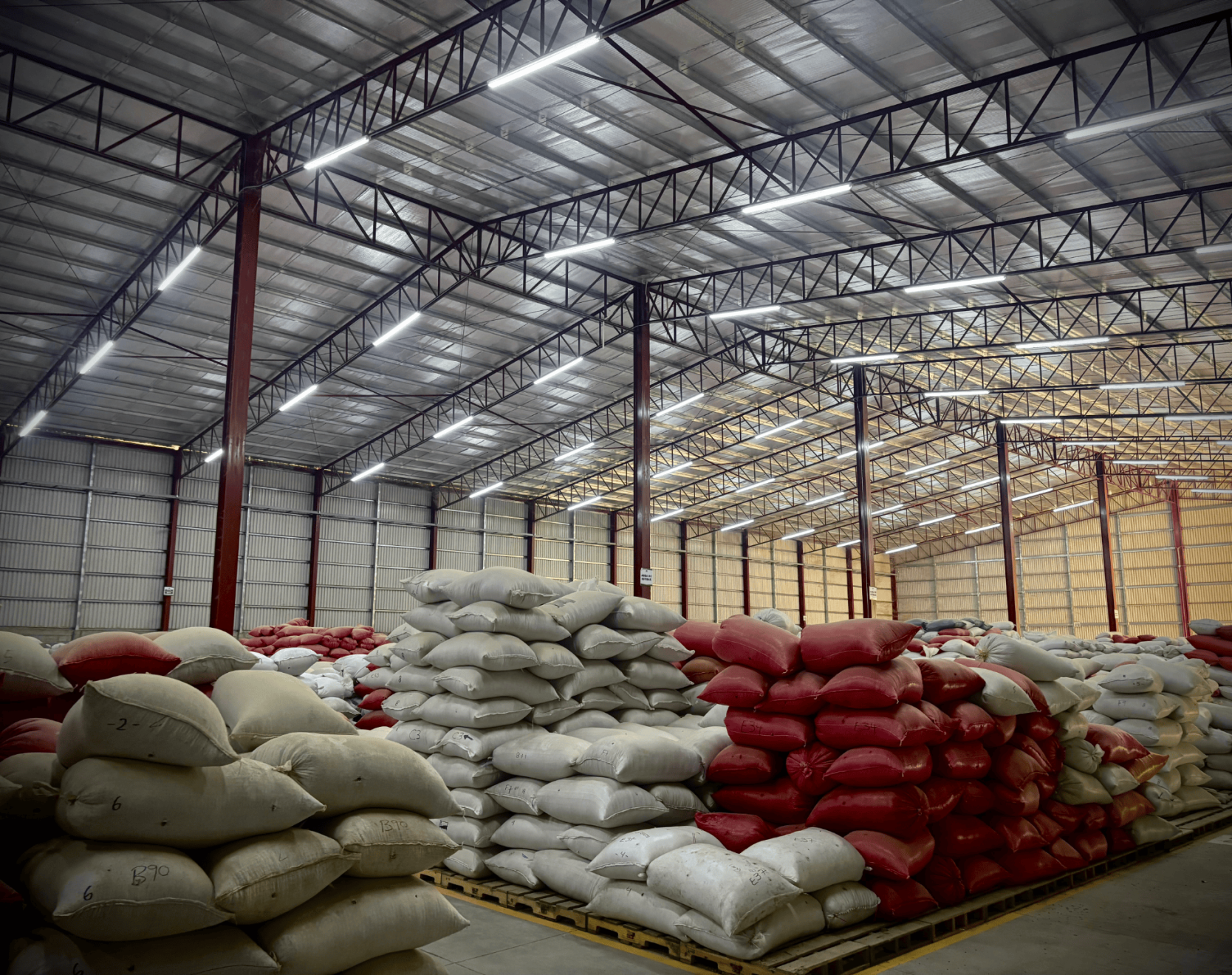
CAFICO Warehouse
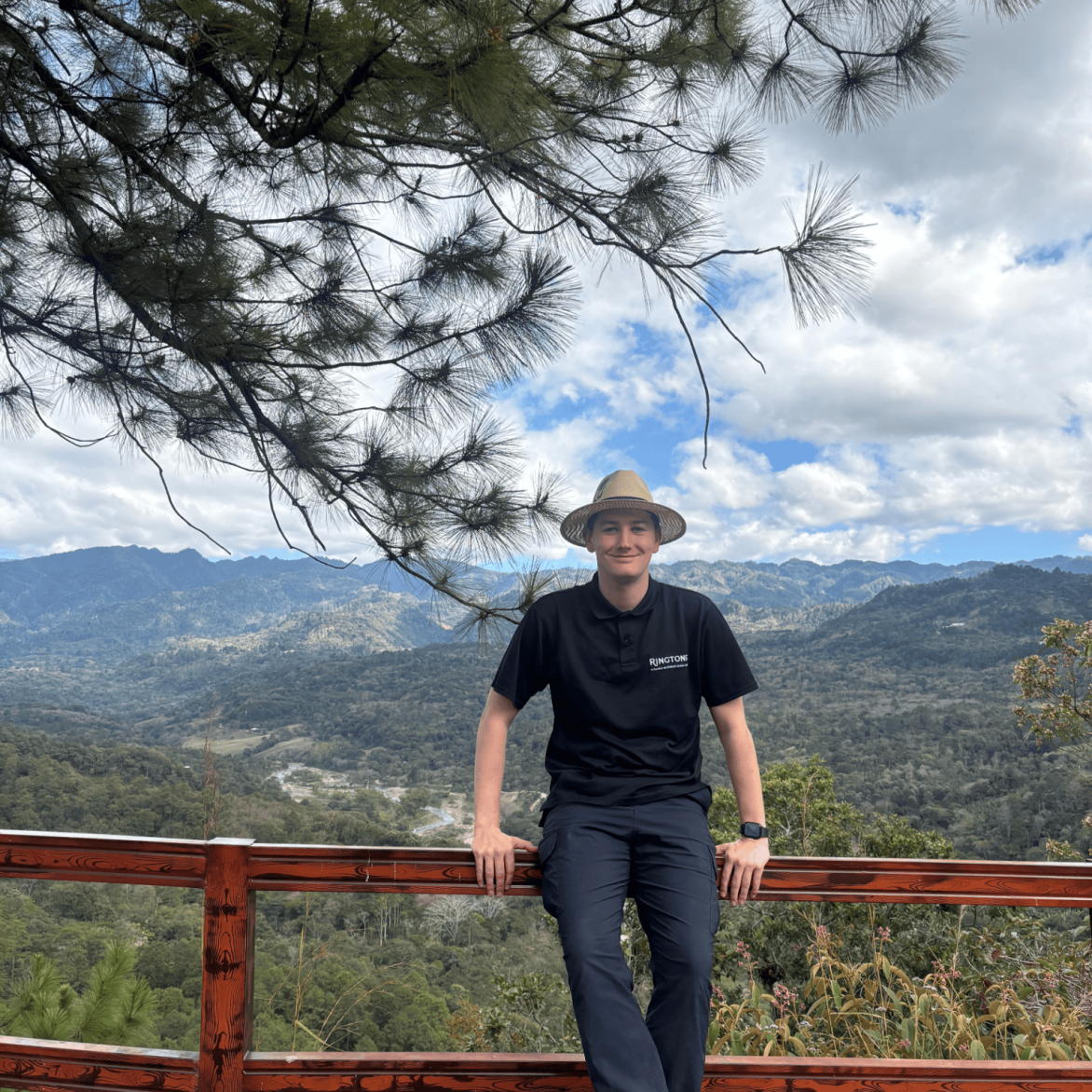
CAFICO
During my trip I spent time with CAFICO, a cooperative Ringtons has worked with for several years.
CAFICO has grown significantly since our last visit in 2023 and now represents more than 647 coffee producers. What stood out most during my visit was their strong commitment to sustainability and community investment.
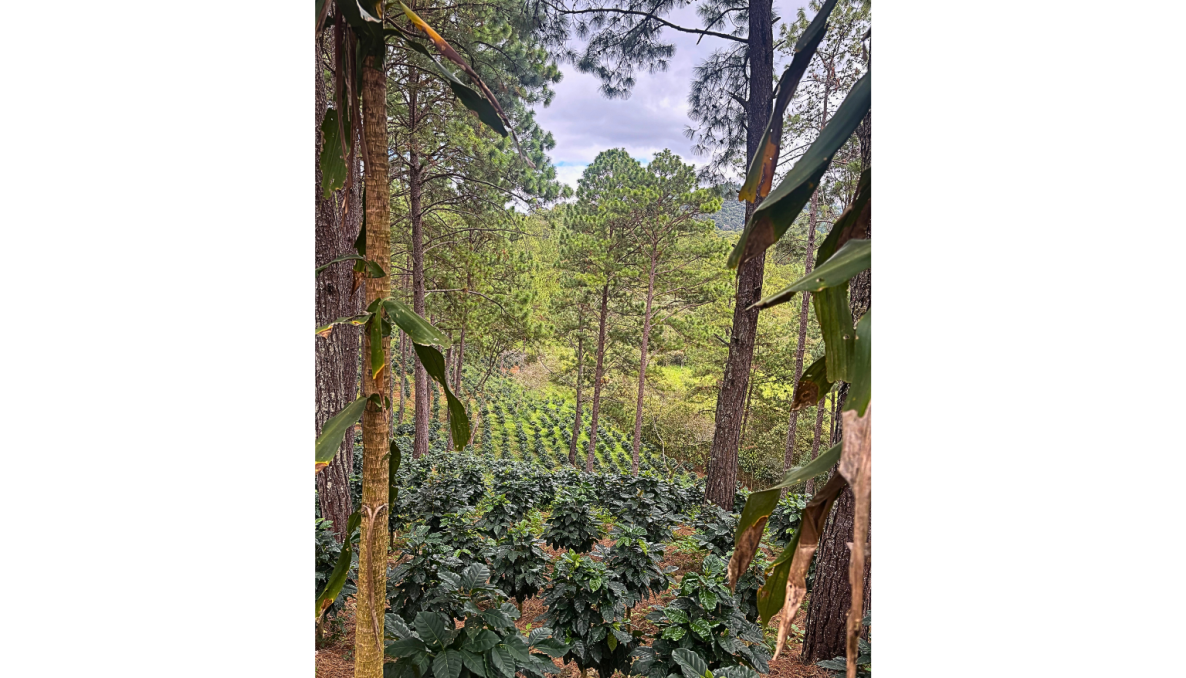
Everything you need to know about CAFICO is reflected in its name: Producers of Certified Coffee of Higher Quality. One of the cooperative’s most distinctive initiatives is its focus on developing self-sustaining, carbon-neutral farms, with a strong emphasis on organic production through the use of a standardised agroforestry system.
All members adhere to the CAFICO quality programme, which requires only the ripest cherries to be harvested, ensuring consistent and elevated quality throughout the supply chain. In addition, many farms hold Fairtrade and Organic certifications, making CAFICO an ideal supplier for our Fairtrade and Triple product ranges.
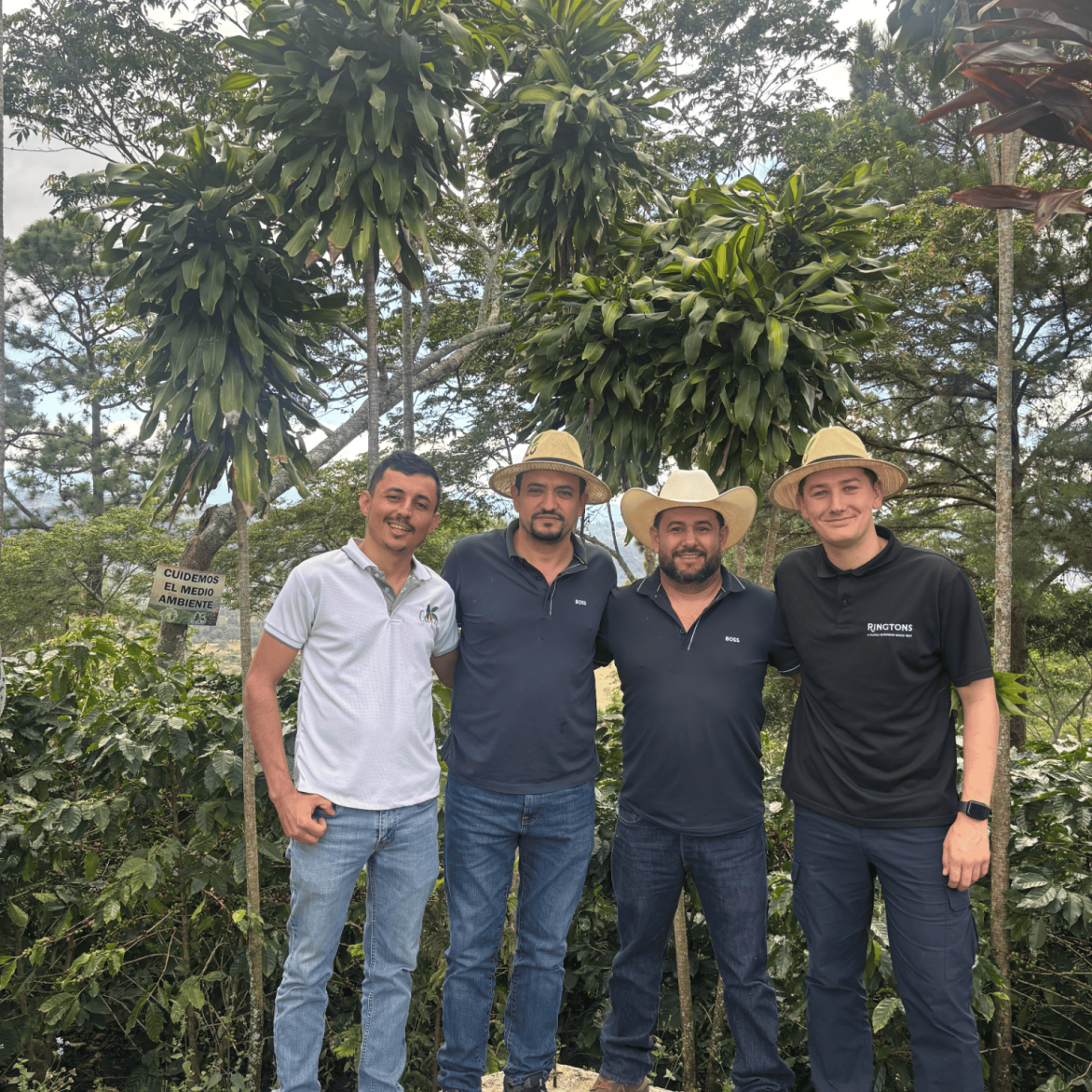
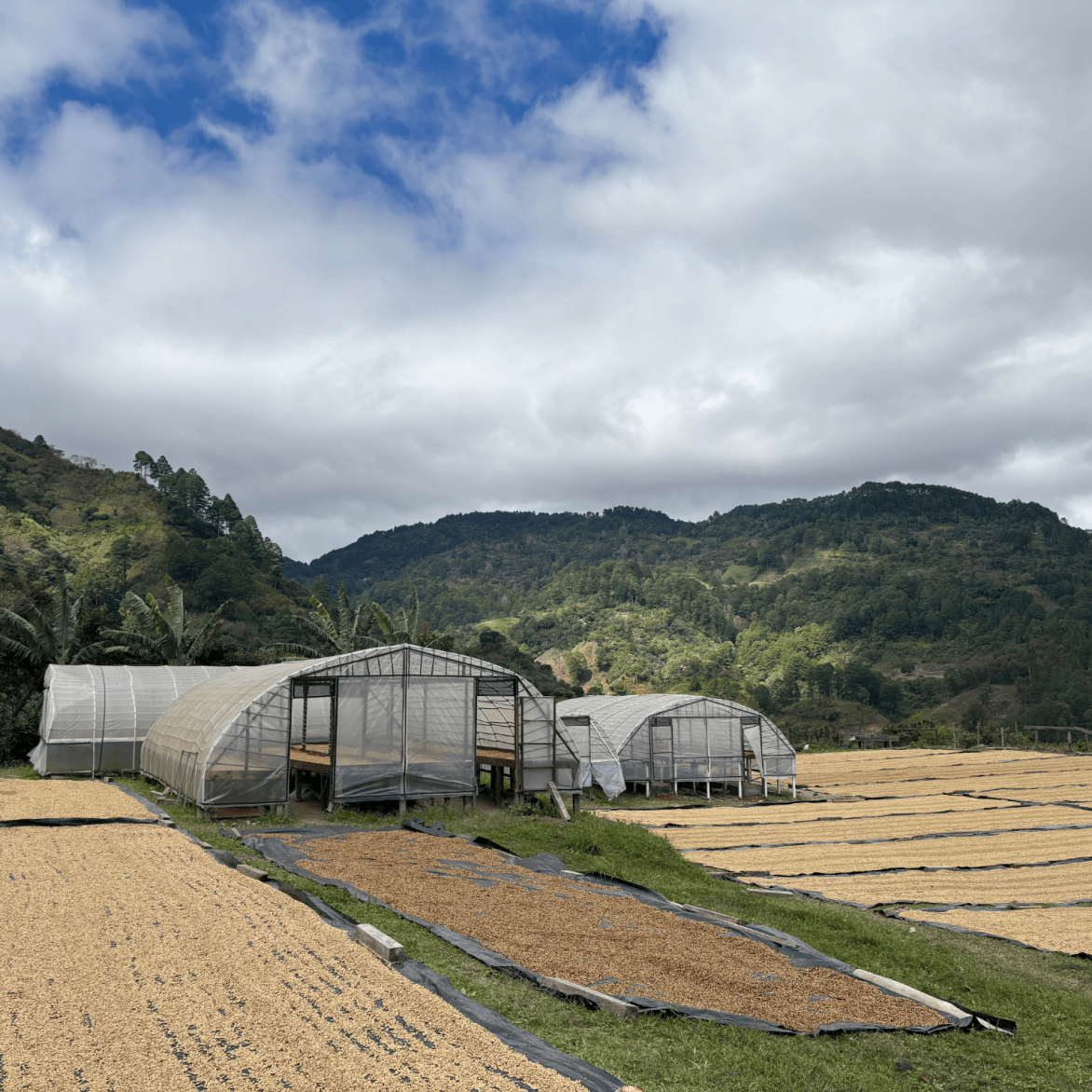
The cooperative has also invested significantly in well-organised wet and dry mills where coffee is processed prior to export. Centralising processing allows CAFICO to better control and maintain quality before coffee reaches destination markets. It also provides environmental benefits: washed coffees require large volumes of water and produce significant wastewater. By centralising processing, CAFICO can treat and recycle this water more efficiently than individual on-farm processing, reducing the overall environmental impact.
Using Fairtrade and Organic premiums, CAFICO has funded projects in and around their local area of Corquin including:
- Improvements to local schools, renovating classrooms, providing IT equipment and building toilets for students
- Medical facilities and equipment – including X-Rays, ambulances and a total refit of the entire electricity and lighting systems.
- Water filtration systems
- Environmental and agroforestry programmes
Seeing these initiatives in person made it clear how coffee can support wider community development. It also strengthens our commitment to working with organisations like CAFICO.
“Seeing the farms and meeting the producers behind our coffee brings the supply chain to life in a way that’s impossible to understand from a distance.”
Supporting Farmers Through The Volcafe Way
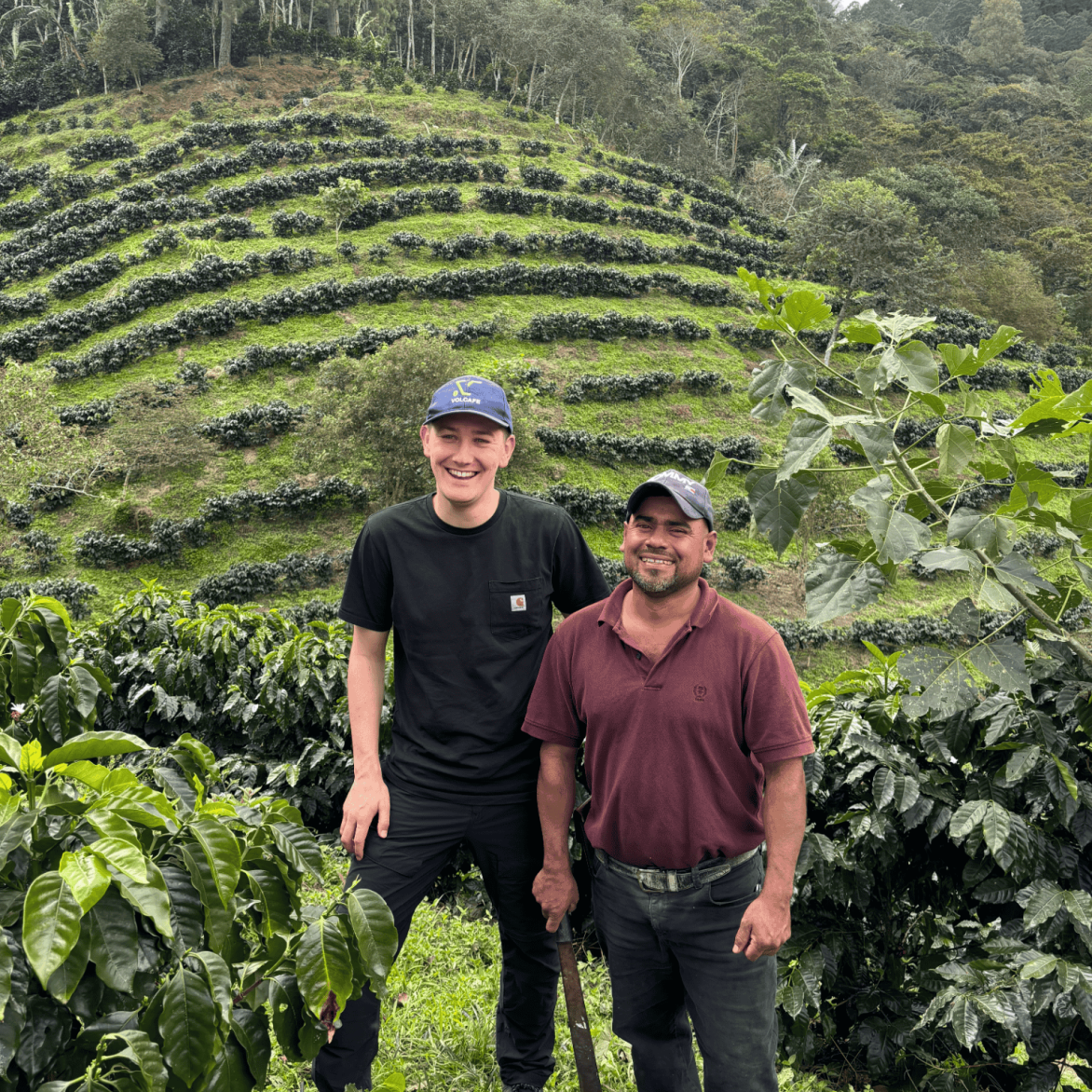
Our first stop was Finca Las Mores, a Volcafe model farm used for research and training. Here, agronomists test new farming methods before sharing them with farmers across the region.
One of the most interesting lessons was around coffee tree spacing. Traditionally, many farmers plant coffee trees densely, but the Volcafe approach encourages fewer trees with greater spacing to allow for healthier growth and better airflow.
Farmers Leading The Way
“Coffee is much more than a crop here – it’s a driver for livelihoods, communities and long-term sustainability.”
The Growing Impact Of Climate Change
One topic that came up repeatedly throughout the trip was weather and climate change.
This year Honduras has experienced increased rainfall, higher humidity and more persistent cloud cover during the harvest period. While that might not sound significant, it has major implications for coffee production.
Drying times have increased considerably – sometimes stretching to three weeks or more. Longer drying periods can increase the risk of quality defects and slow down the entire harvest cycle, particularly when drying patios remain full for extended periods. Heavy rainfall can dislodge coffee cherries from their branches, resulting in fruit loss on the ground.
Several farmers told me they were concerned they might not be able to harvest their entire crop this year because of these conditions.
It was a clear reminder of how vulnerable coffee production can be to changing weather patterns.
Why origin visits matter
For me, the biggest takeaway from the trip was the importance of visiting origin and meeting the people behind the coffee we buy.
It’s easy to talk about sustainability and supply chains from a distance, but spending time with our partners like CAFICO and Volcafe Molinos brings those conversations to life.
Despite the challenges facing the sector – from climate change to labour shortages – I was encouraged by the commitment I saw across Honduras to improving both coffee quality and farmer livelihoods.
For Ringtons, visits like this help us better understand our supply chains and strengthen relationships with the partners who share our values.
And personally, it gave me an even greater appreciation for the journey coffee takes before it reaches the cup.
Bonus photos from my trip
I’ve included a few extra photos from my time in Honduras to give a closer look at the farms, people and processes behind the coffee.
These moments really helped bring the whole experience to life.
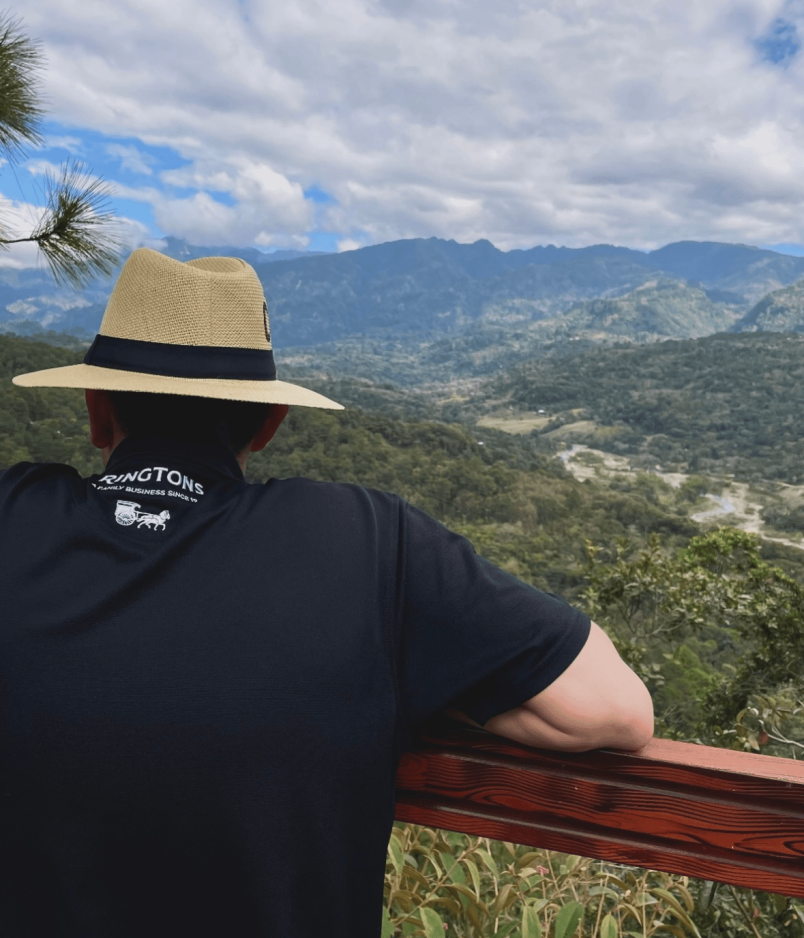
View from Las Lesquinda
CAFICO
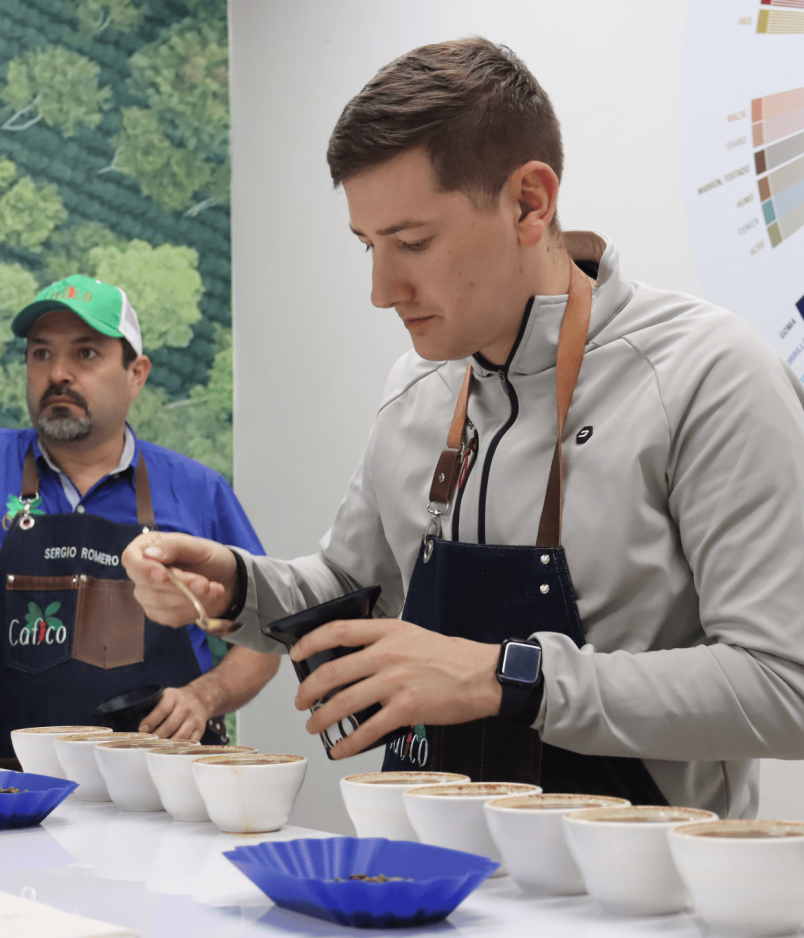
Cupping Session
CAFICO
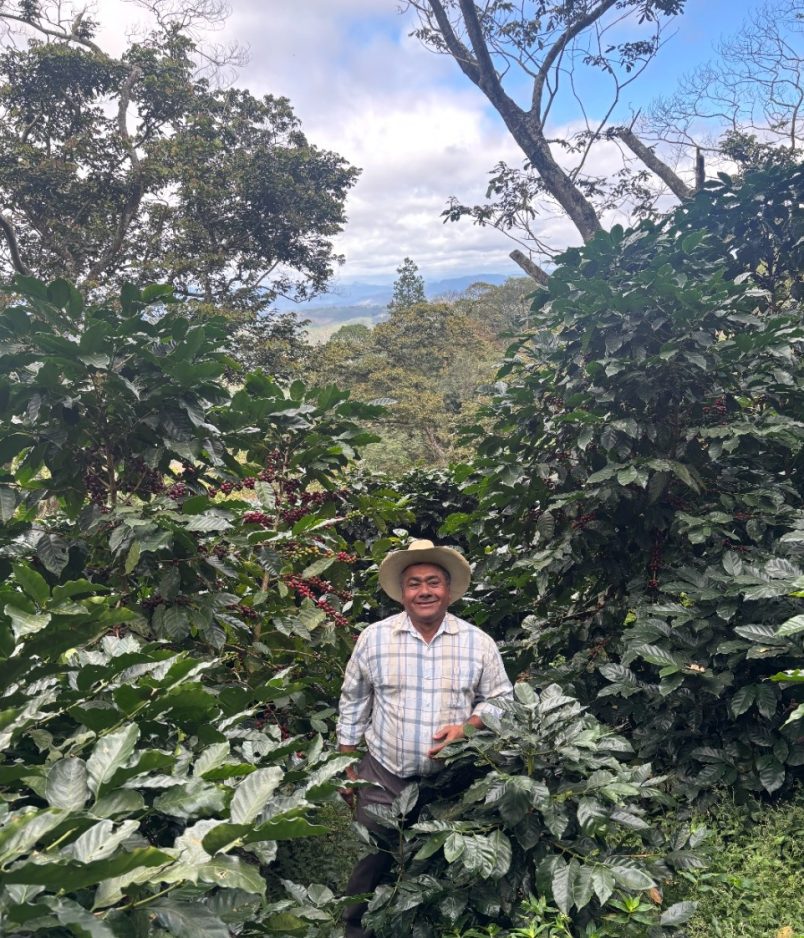
Don Sebastian
VW Farmer
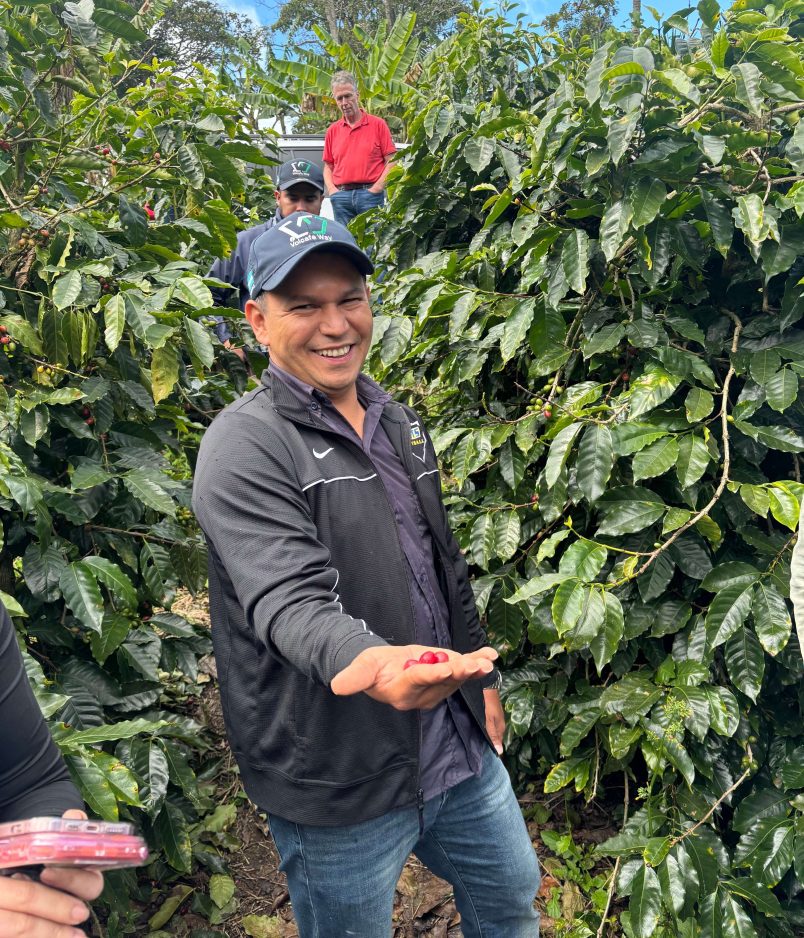
Efrain
Showing cherries
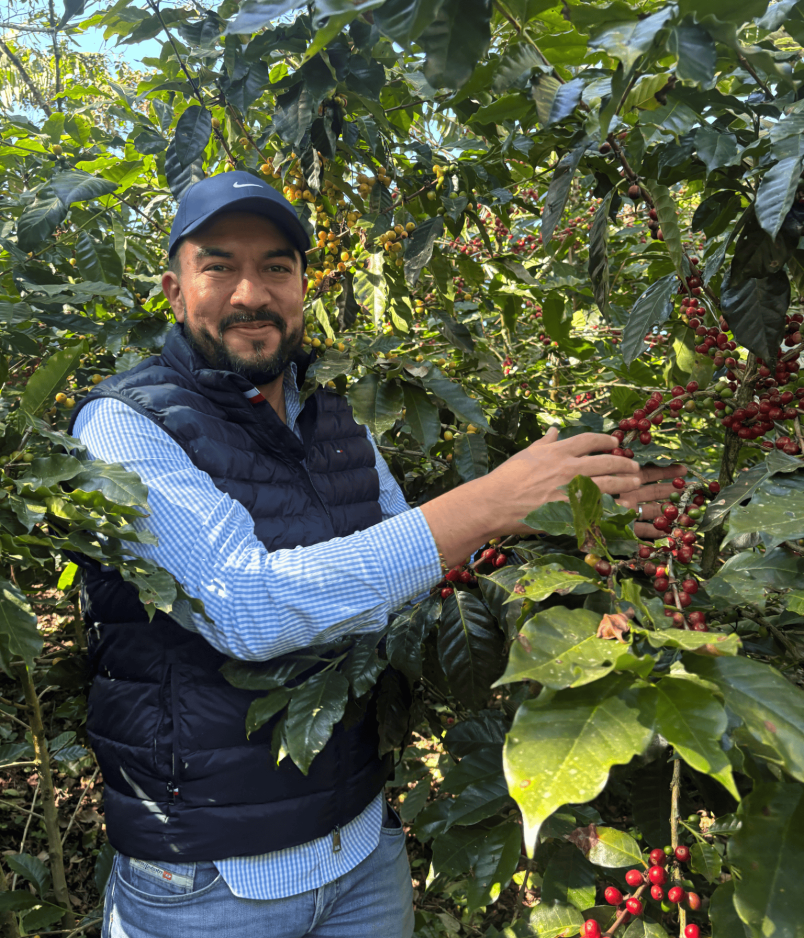
Miguel
Bella Vista GM
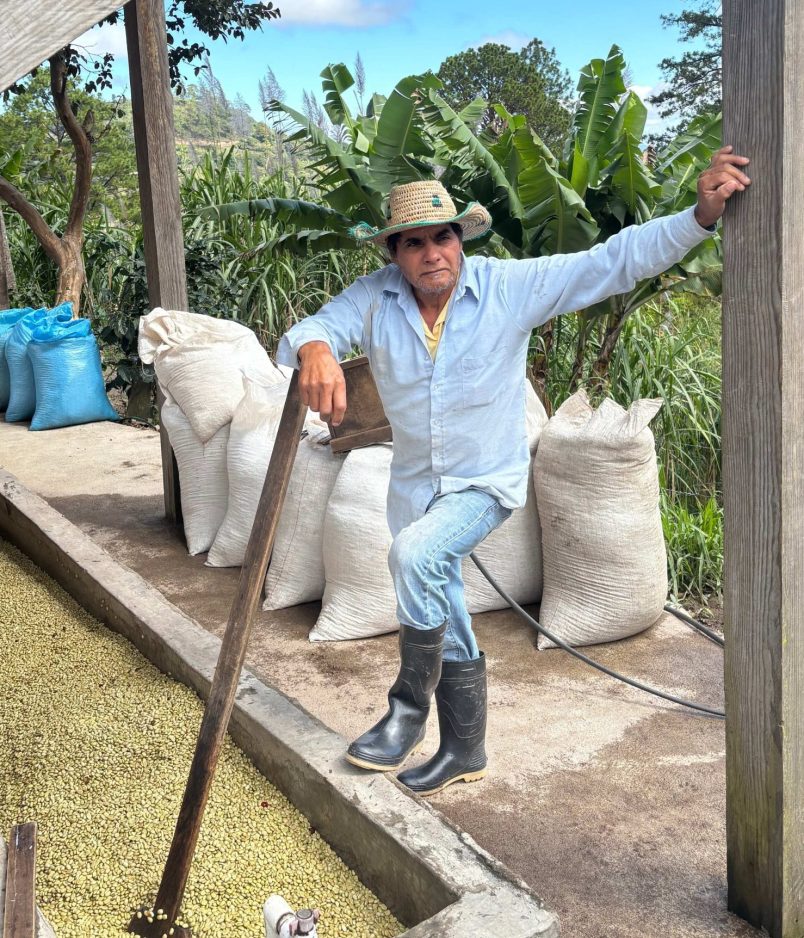
Farmer Washing Coffee
Contact our friendly team
If you have any questions or want to talk through what this means for your business, we’re here.
T: 0800 0461 444
E: business@ringtons.co.uk
