An Intro to Matcha
24 August 2026
What is matcha, and why has it taken off?
Matcha is green tea, but perhaps not as you know it.
The leaves are shade-grown in Japan, then stone-ground into a fine, vivid powder. Instead of steeping a bag and binning it, you whisk the whole tea leaf straight into your drink; which is exactly why matcha contains more caffeine, more antioxidants, and that distinctive grassy sweetness than a standard green tea.
So why’s matcha suddenly everywhere?
While tempting to write matcha off as a passing trend, the numbers tell a different story.
According to Tastewise, the food data analysts, matcha menu listings across UK foodservice have grown roughly 30% year-on-year, and social conversation around it has more than doubled over the same period (source). That’s not a single viral spike, that’s sustained, structural growth, which is showing no sign of slowing down.
People love matcha’s steadier caffeine hit, it plays nicely with dairy-free milks, and it photographs beautifully – all of which is pulling in a much wider crowd than the early adopters. Whether you run a café or a workplace, if you’re not paying attention to matcha yet, now’s the time.
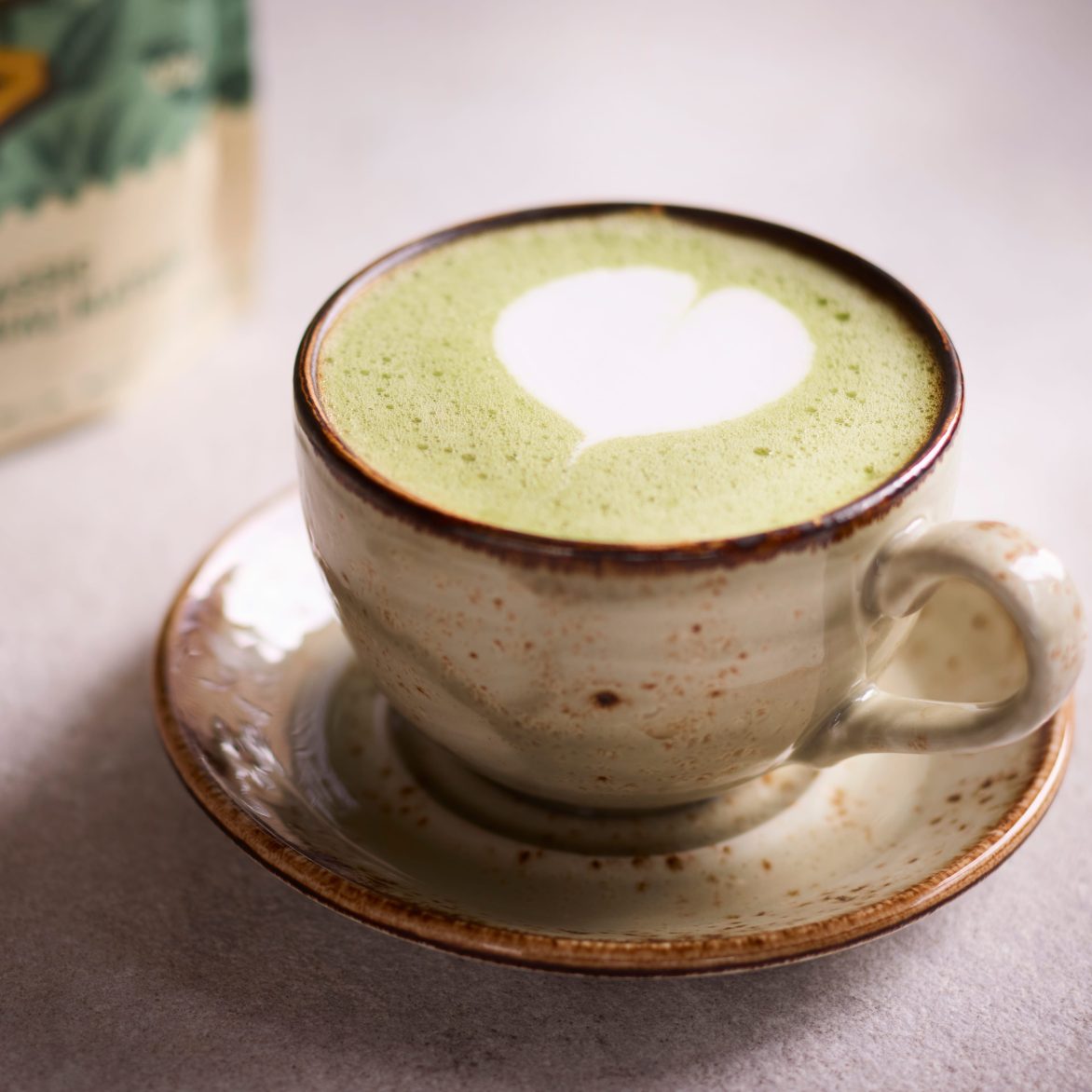
How to prepare a Matcha
We’ve worked with our partners at Sweetbird for years, and we’ve just started stocking their Ceremonial Grade Zuma matcha powder.
The matcha is a quality, food-service-ready powder that whisks up smooth, and holds its colour and flavour whether you’re serving it hot or cold.
To serve:
- Hot – whisk Zuma matcha powder with a splash of hot (not boiling!) water into a smooth paste, then top with steamed milk, just like a latte.
- Iced – whisk with a splash of cold water until smooth and clump-free, then pour over ice and top with your milk of choice.
Same product, two menu items, and no extra kit needed beyond a whisk or milk frother you’ve probably already got behind the counter.
Do you need special equipment?
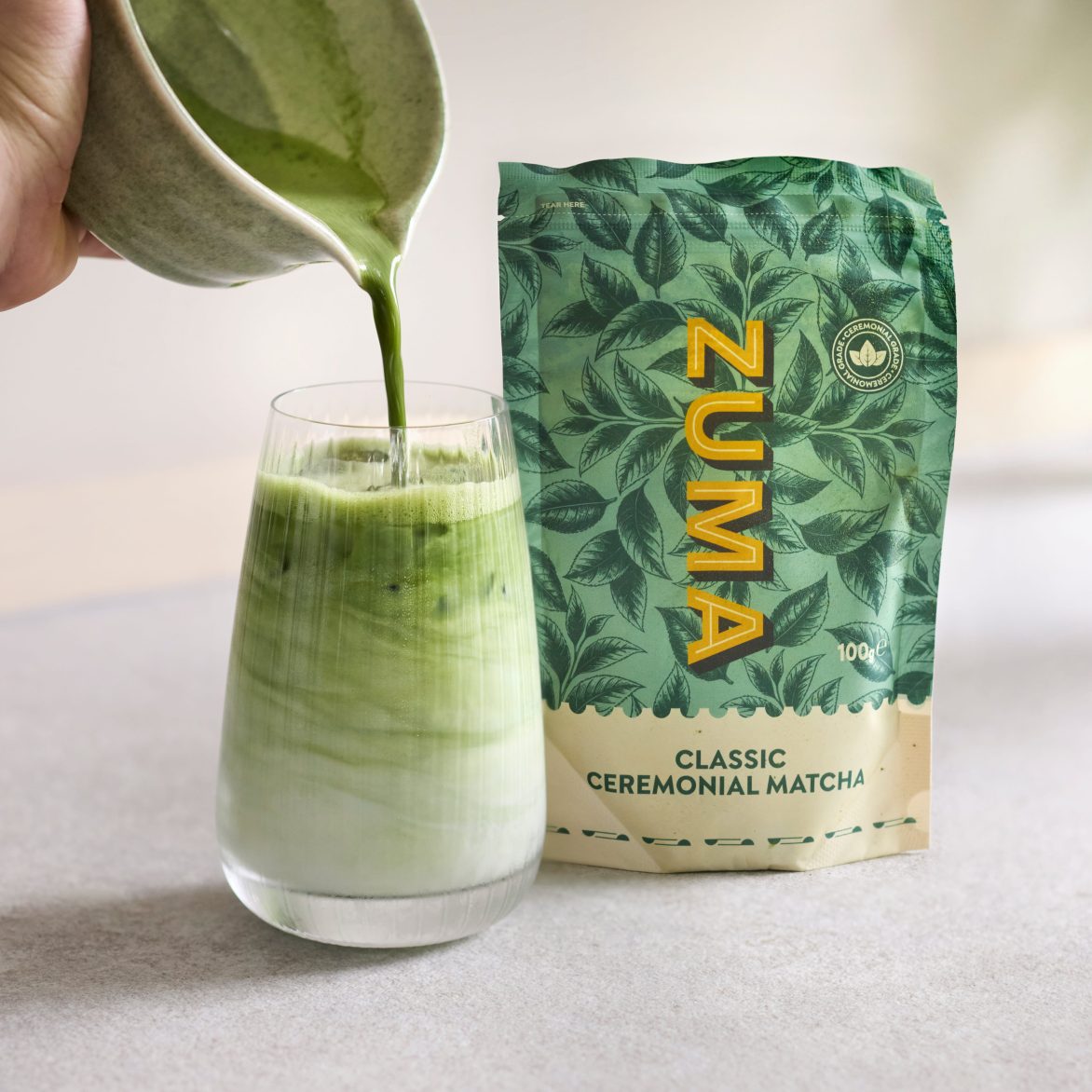
Traditionally, matcha’s whisked in a matcha bowl (chawan) with a bamboo whisk (chasen) – the wide bowl and fine bamboo tines are to whisk the powder into a smooth, frothy paste with no clumps.
It’s the authentic method, if you want to lean into the ceremonial side of matcha then go for it!
For everyday service, you don’t need it. Use:
- Electric milk frother or whisk – the easiest way to get consistent, clump-free matcha at speed.
- Barista jug – mix a scoop of matcha powder in some hot water into your existing steam jug. It’s then immediately ready to pour into a cup to serve!
A bamboo whisk is a lovely touch for presentation and premium positioning, but your electric whisk or barista jug will get you consistent, service-ready matcha with zero extra spend.
How to batch prep matcha
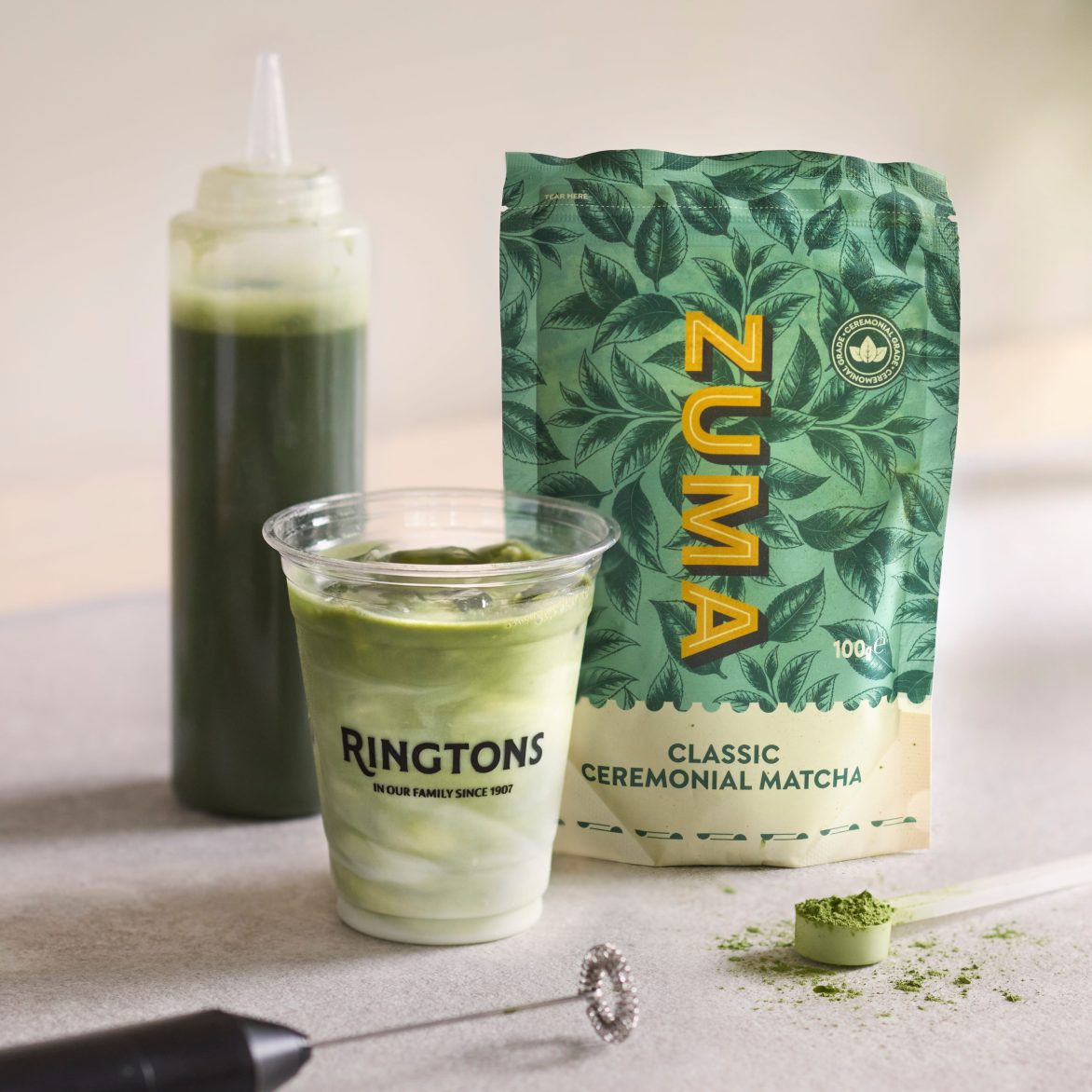
Matcha doesn’t have to be made drink by drink, you can batch prep a “matcha shot” concentrate in bulk.
Scale up to 500ml in a squeezy bottle, keep it in the fridge, and it’ll last a day or two.
As a guide: if your standard matcha shot is 1.5g to 50ml of water, scale that up 10x for a 500ml bottle – that’s 10 scoops of matcha to 500ml of water, given a good mix.
Do I have to use Matcha Powder?
Getting Matcha right takes a bit of practice, much like a barista dialling in a new grinder – and that’s not always realistic during a morning rush, or on sites without a trained barista on shift. So we offer three formats, and you can pick whichever suits how you work:
- Powder: Best flavour and colour, most authentic, most flexible (hot, iced, flavoured). Needs a bit of prep time and a whisk or frother.
- Syrup: Fast – just pour and top, minimal training needed. Costs more per litre in some cases, contains less matcha, and can taste flatter or sweeter than the real thing. Our choice for this is the Alchemy Maho Matcha.
- Vending matcha: Zero labour, consistent every time, opens up the workplace and office channel. Quality depends on the format, best positioned as the “everyday” option rather than the premium café experience.
That spread means we can support a boutique café wanting the full ceremonial-style prep and an office reception vending machine, with the same supply relationship behind both – Matcha wherever your guests or employees are.
How much should I charge for Matcha?
Most cafés price matcha in line with their premium coffee drinks, not as a niche upcharge. High street matcha lattes run from around £3 at value-led chains like Greggs, up to £4.50–£6+ at premium chains like Starbucks and Costa – broadly in line with, or slightly above, a standard milk-based coffee. That gives you real room to price matcha with confidence, rather than discounting it to compete with a standard latte.
You can charge a little more for the powder-prepped version too – it’s the more authentic, better-tasting drink, and customers are increasingly willing to pay for that.
| Product | Unit Cost | Servings | Cost per serving | Suggested sell price | GP £ | GP % |
| Powder (Zuma) | £19.90 | 66 | 30p | £4.00 | £3.70 | 92% |
| Concentrate/syrup | £26.21 | 50 | 52p | £4.00 | £3.48 | 87% |
These figures cover matcha cost only – not milk, extra syrup, or packaging like takeaway cups and lids – so your actual margin will land a touch lower once those are factored in. Even so, you’re still comfortably ahead: industry benchmarks put a good café GP target at 65–75% (source: smartpubtools.com), and both matcha formats sail well past that.

Does Matcha work in Seasonal Menus?
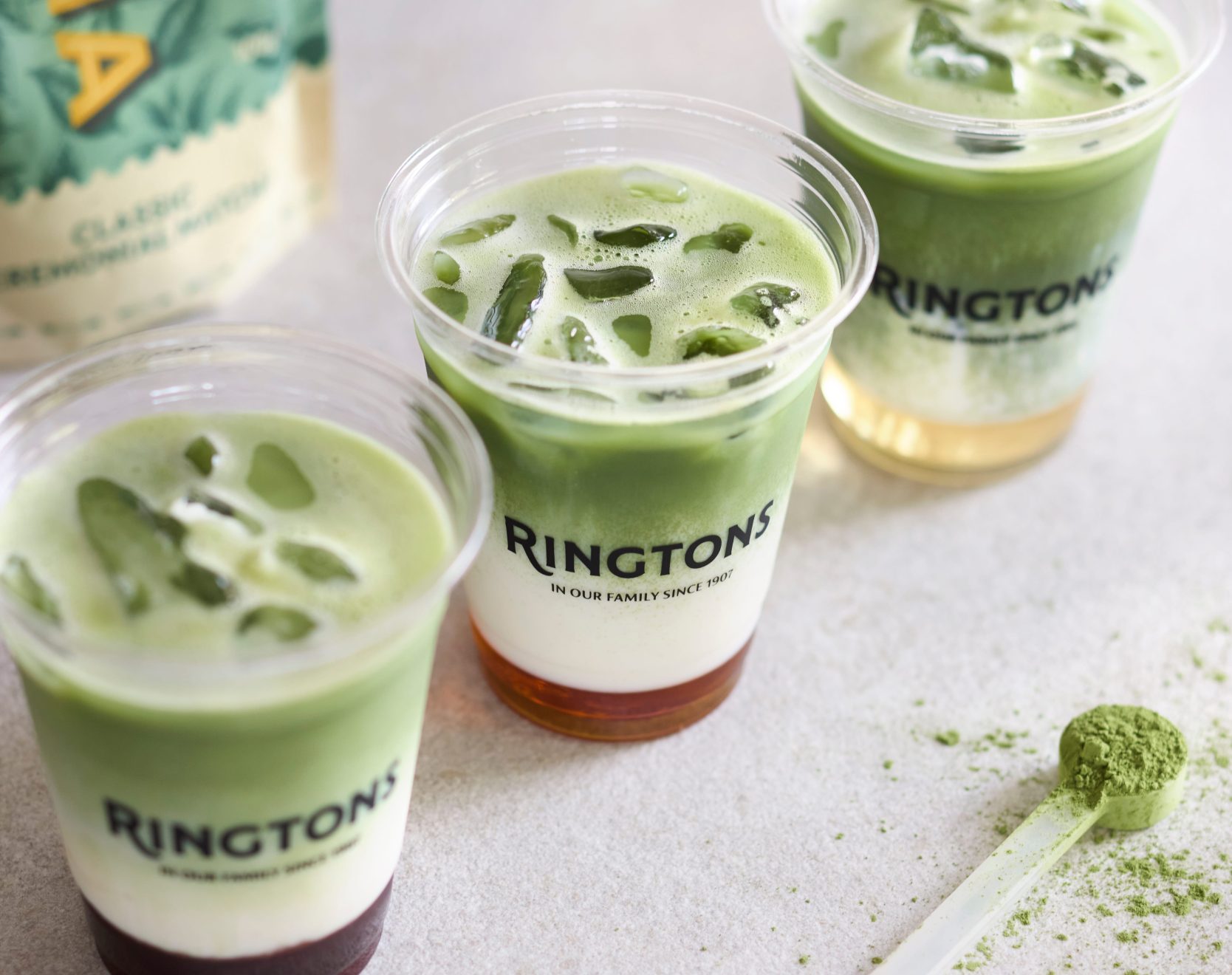
Matcha slots straight into your seasonal menu the same way syrup-based coffee specials do.
Be careful though, a lot of flavours taste quite different hot versus cold, so it’s worth testing both before you commit a flavour to the menu.
- Autumn/winter: pumpkin spice matcha, gingerbread matcha
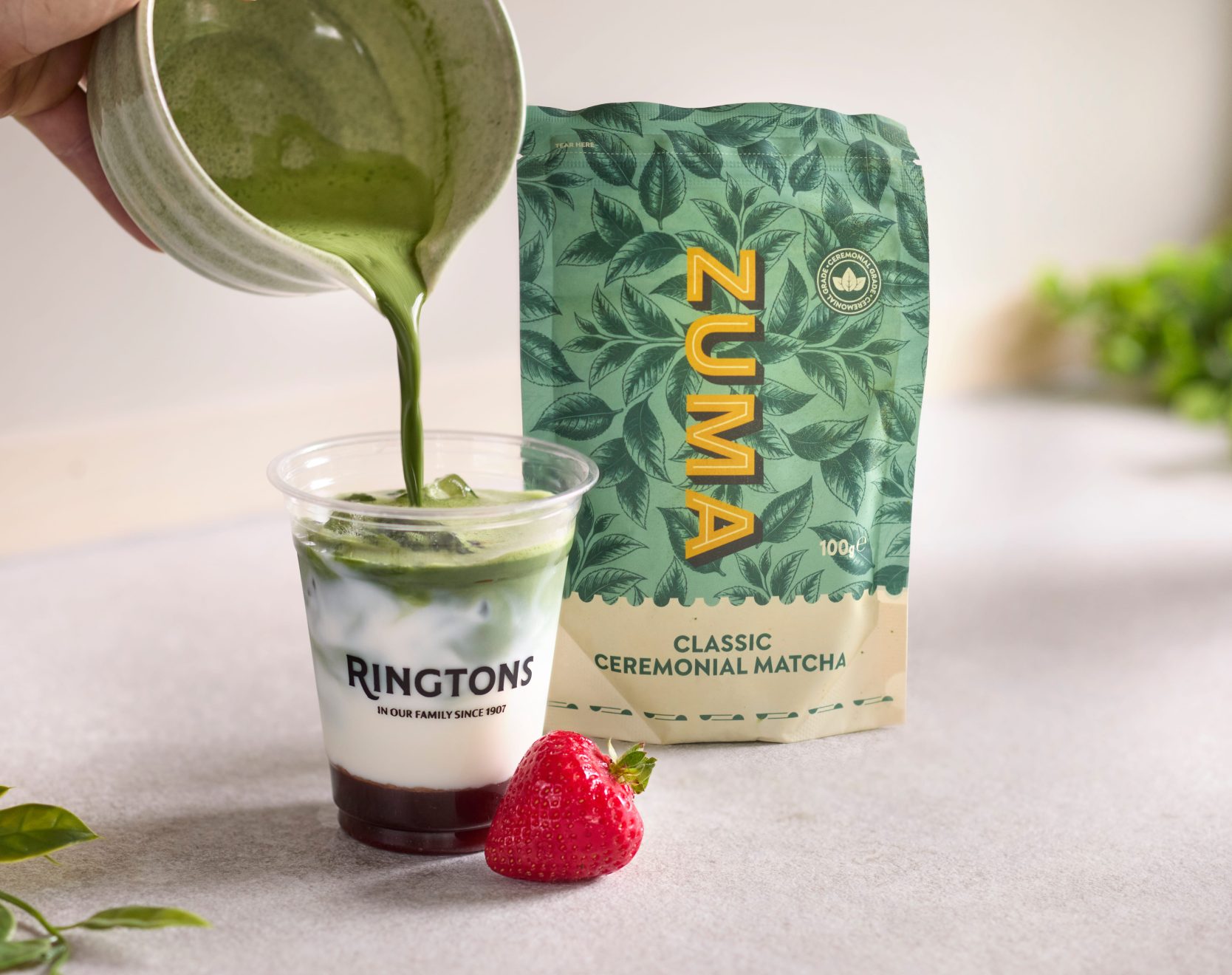
- Year-round mainstays: vanilla and strawberry matcha have gone from seasonal specials to permanent menu fixtures on the high street
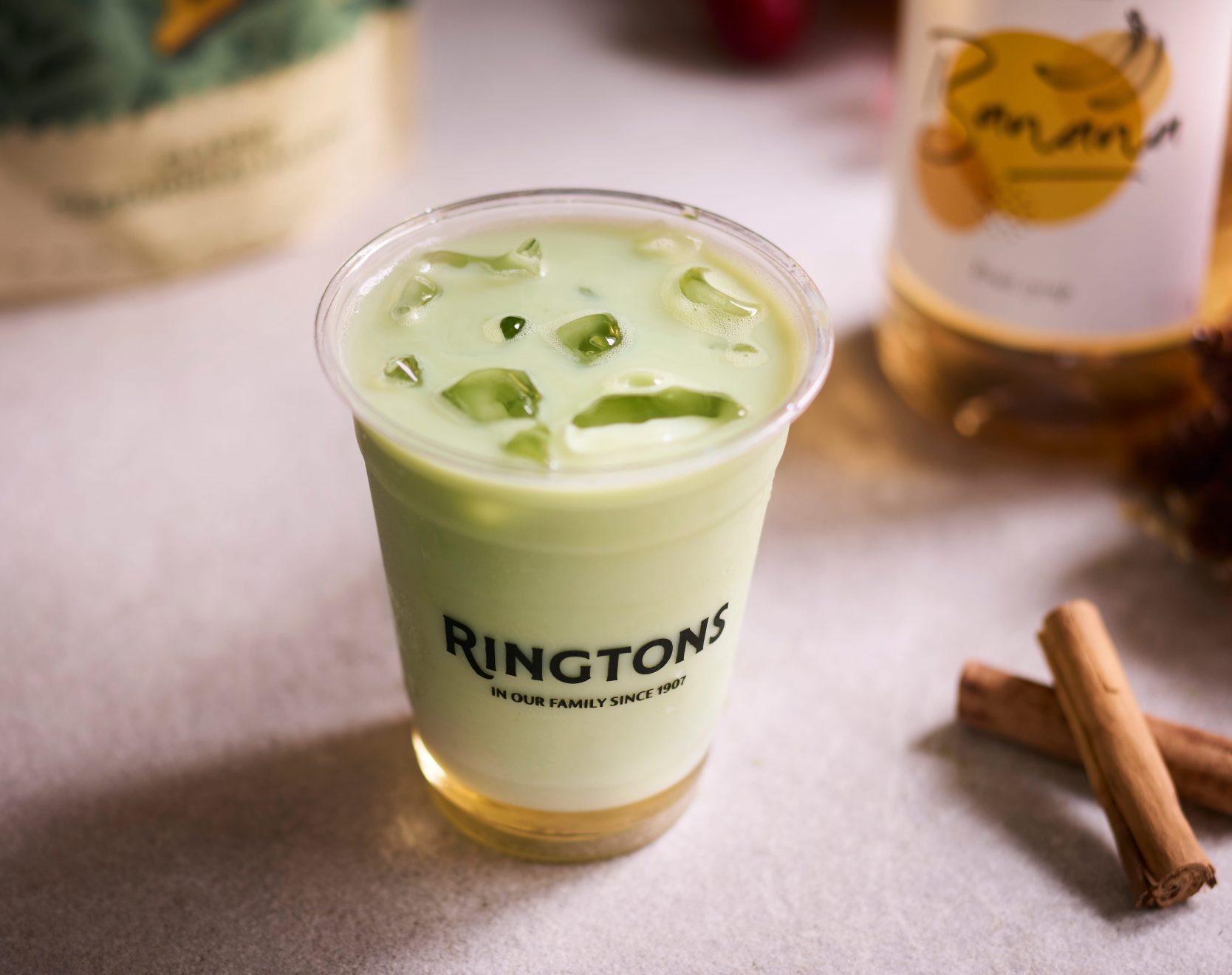
- Our pick: banana bread matcha – an unexpected pairing, but it works, and it’s a great point of difference for your menu
Flavoured matcha lets you run the same seasonal-drop model you already use for coffee, with no new equipment or supplier relationships needed. Worth knowing: the powder works better than concentrate for flavoured, syrup-based drinks, so keep that in mind when you’re building out a seasonal range.
Matcha FAQs
Here’s a few questions we’ve had about matcha, if theres something we haven’t answered here, please get in touch – we’re always happy to help.
Keep it airtight and away from light, heat, and moisture – a sealed tin in a cool cupboard or the fridge will keep it at its best for longer. Once opened, use it within a few weeks for the best flavour and colour.
Whole milk and oat milk are the most popular pairings – oat’s natural sweetness plays especially well with matcha’s grassy notes. Almond milk can split more easily when whisked, so it’s worth testing before you add it to the menu.
Traditionally Japan – Uji and Nishio are well-known growing regions – though China also produces significant volumes, particularly for the culinary-grade market.
Ceremonial grade is the highest quality, made from the youngest, shade-grown leaves, and meant to be whisked with water alone and drunk straight. Culinary grade is a little more robust in flavour and built to stand up to milk, sweeteners, and flavourings – which is what most café and vending applications need.
Usually the water’s too hot – boiling water scorches matcha, so aim for around 70-80°C – or it hasn’t been whisked enough, or a lower grade powder’s being used for a straight, unmixed prep.
Sift the powder before whisking, and always add a small splash of liquid first to form a smooth paste before adding the rest. Adding all the liquid at once is the most common cause of clumping.
Gram for gram, matcha has more caffeine than brewed tea, but a typical serving usually has less than a coffee – roughly 30–70mg per matcha versus 80–100mg in a standard espresso-based coffee. The caffeine also releases more slowly, thanks to the L-theanine naturally in matcha, which is why people often describe it as a steadier, less jittery lift.
Matcha’s rich in antioxidants, particularly catechins, and contains L-theanine, which is linked to calm focus alongside its caffeine content. Like any drink, that picture changes once you add milk, sugar, or syrup – so it’s best positioned as a lower-jitter alternative to coffee, not a health product outright.
Ringtons is here to help
Matcha isn’t going anywhere, and we’re here to help your venue serve it well. Whether that’s behind the counter, with the convienience of a Matcha Syrup or through a vending machine in reception.
Fancy giving it a try? Sign up for an account and place an order, or get in touch with your details and we’ll gladly answer any questions you’ve got.
